






Artificial intelligence is fundamentally changing how people find insurance. Today’s clients aren't just scrolling through Google search results; they are asking specific questions to AI tools like ChatGPT, Google Gemini, and voice assistants
While these platforms are sending more visitors to agency sites, many business owners are noticing a problem: The traffic is coming in, but the phone isn't ringing.
If your site looks professional but isn't producing quotes or calls, it’s likely because it wasn't built to meet the "standards" of an AI-driven world.
Most agency websites are "static brochures." They list basic services and end with a generic "Contact Us" form.
AI-driven visitors arrive with high intent. They’ve already asked the AI a specific question, such as:
When they land on your page, they expect an immediate answer. If your site doesn't instantly explain who you help and what to do next, these visitors will leave (or "bounce") in seconds.
AI search tools prioritize E-E-A-T (Experience, Expertise, Authoritativeness, and Trustworthiness). If your content sounds like a generic template, AI tools won't recommend you, and humans won't hire you.
Common Red Flags:
AI favors sites that provide reliable, human-centered answers rather than polished marketing jargon.
AI traffic needs a clear path. Many sites bury their "Calls-to-Action" (CTAs) at the bottom or use passive phrases like "Learn More."
What works now:
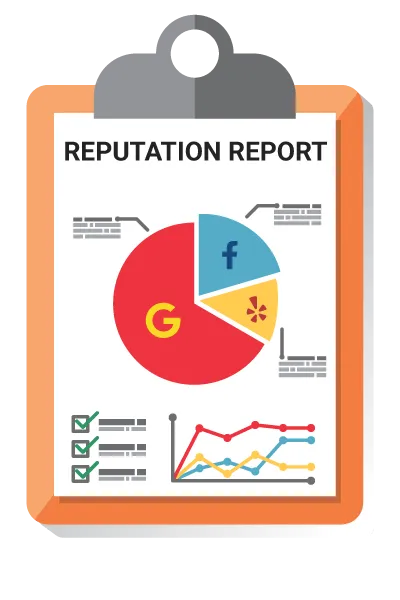
AI platforms are cautious. They look for "trust signals" before recommending a business. If your site lacks visible social proof, you lose credibility instantly.
To convert AI traffic, you must prominently display:
Old-school SEO was about stuffing keywords into a page. AI search is about context and answers. If your pages don't answer common client questions (e.g., "How much does general liability cost in [Your City]?"), you won't show up in AI summaries. Your site should be organized logically with clear headings that guide both the AI and the reader to the right information.
Many agencies are locked into rigid, third-party website platforms. AI optimization isn't a "one-and-done" task; it requires regular updates and fresh content. If you don't fully own your site or can’t update it easily, you’ll quickly fall behind as AI algorithms evolve.
AI traffic is only going to increase. The question is: Is your digital storefront ready to greet these visitors, or are you sending them straight to your competitors?
Ready to turn your website into a conversion engine? Stratosphere builds AI-ready websites designed to rank, build trust, and convert—without long-term contracts.
AI tools like Google Gemini or ChatGPT prioritize websites that provide direct, clear answers to user questions. If your site is thin on content or uses overly complex industry jargon, AI may struggle to understand your expertise. Organizing your pages with clear headings and answering common client questions (like "How much does workers' comp cost?") can help.
Traditional SEO focuses on specific keywords (e.g., "insurance agency Miami"). AI optimization focuses on intent and conversation. It looks for context, such as why a user is searching and whether your site provides a helpful, trustworthy solution to their specific problem.
AI algorithms look for "trust signals" such as integrated Google Reviews, professional affiliations, and consistent contact information across the web. Adding a dedicated "Meet the Team" page with real photos and bios also helps establish the Experience and Expertise components of E-E-A-T.
Yes. Most AI searches are local (e.g., "Find an agent near me"). By structuring your site to mention specific regions you serve and the local risks associated with them, you make it much easier for AI assistants to recommend you to neighbors in your area.